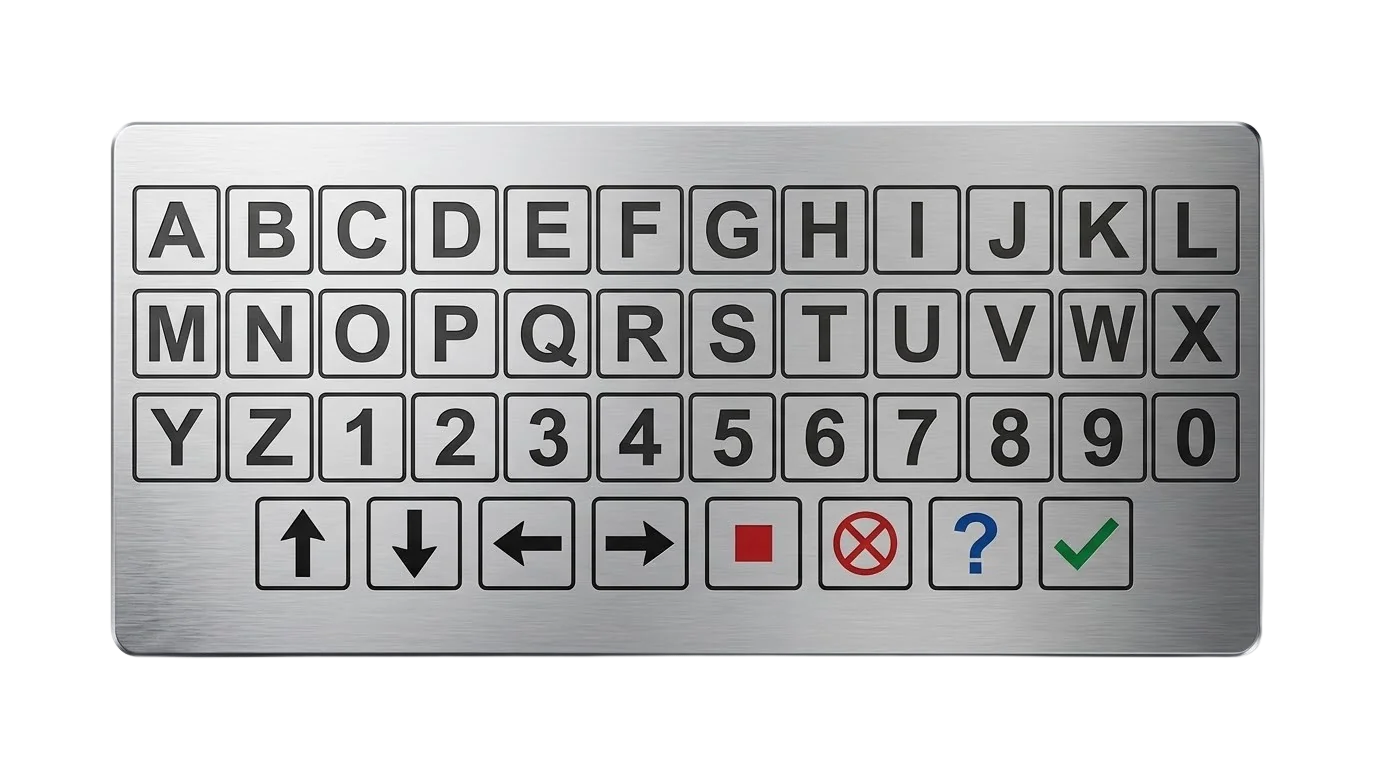
PP Series - Solid-State Panels

Solid-state piezo panels for demanding OEM applications.

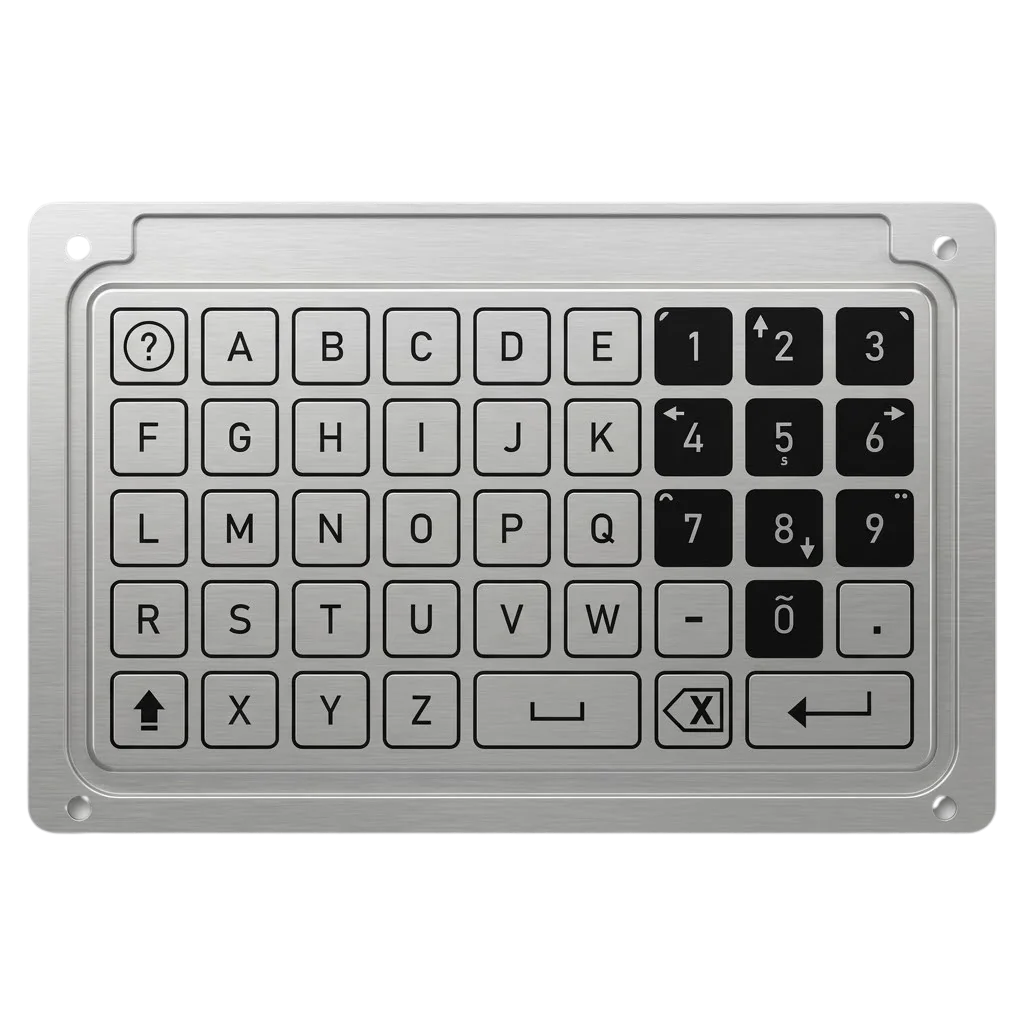
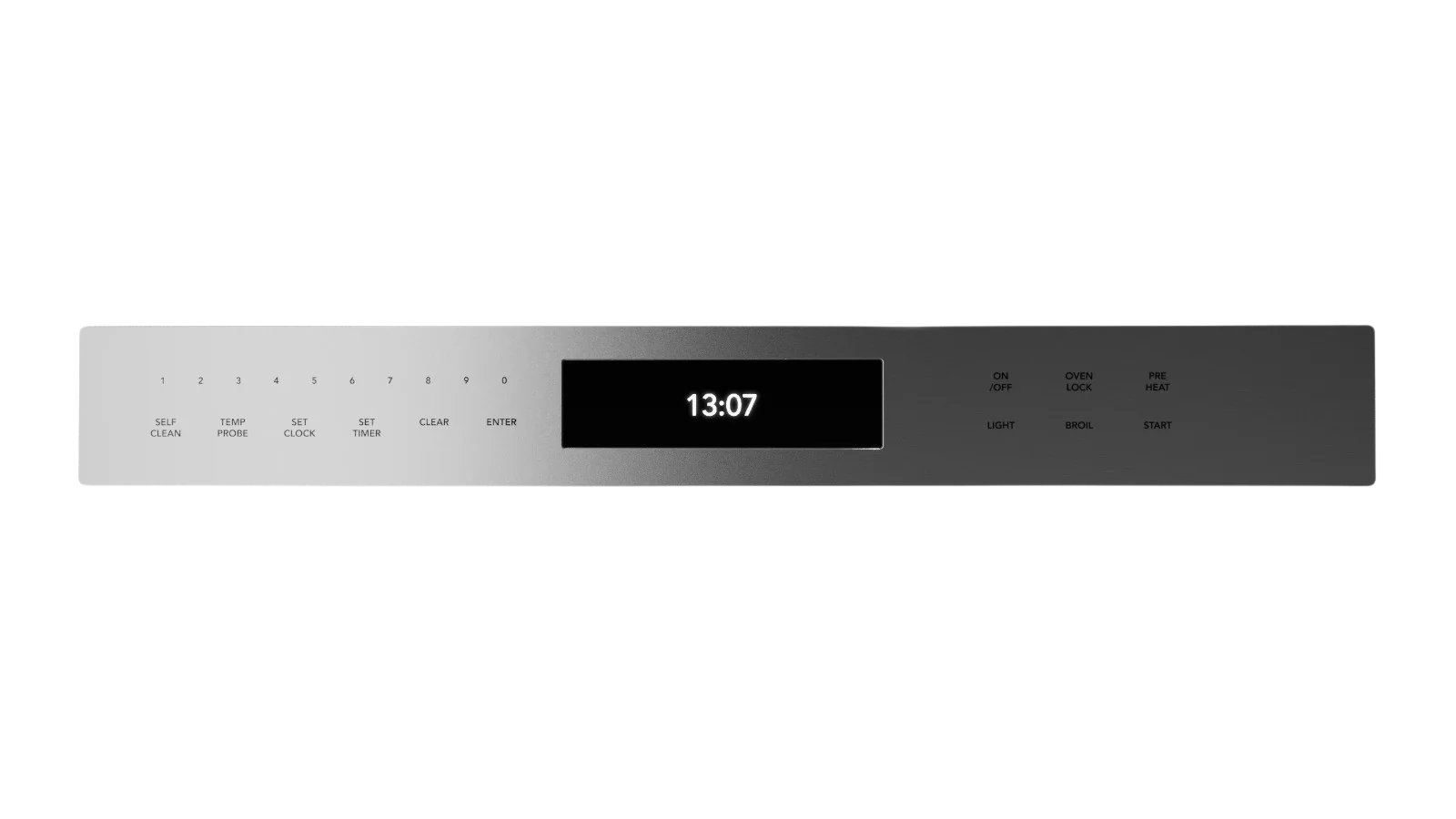
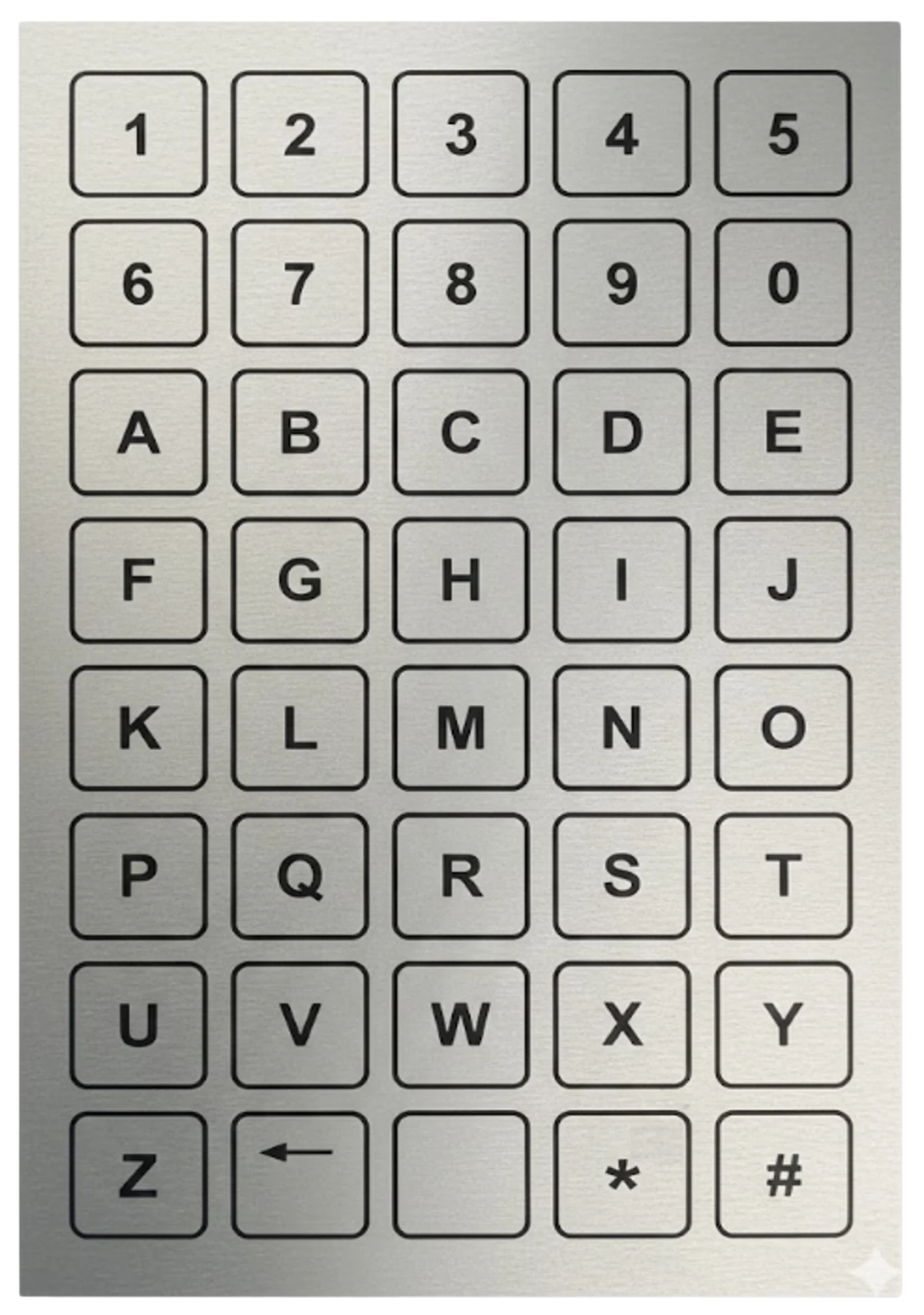
Sealed, configurable, and built for the environments that destroy conventional panels. Every PP series panel ships with PT Plus intelligence as standard. From a 4-key operator interface to a 45-key control panel, power consumption stays under 10 microamps.
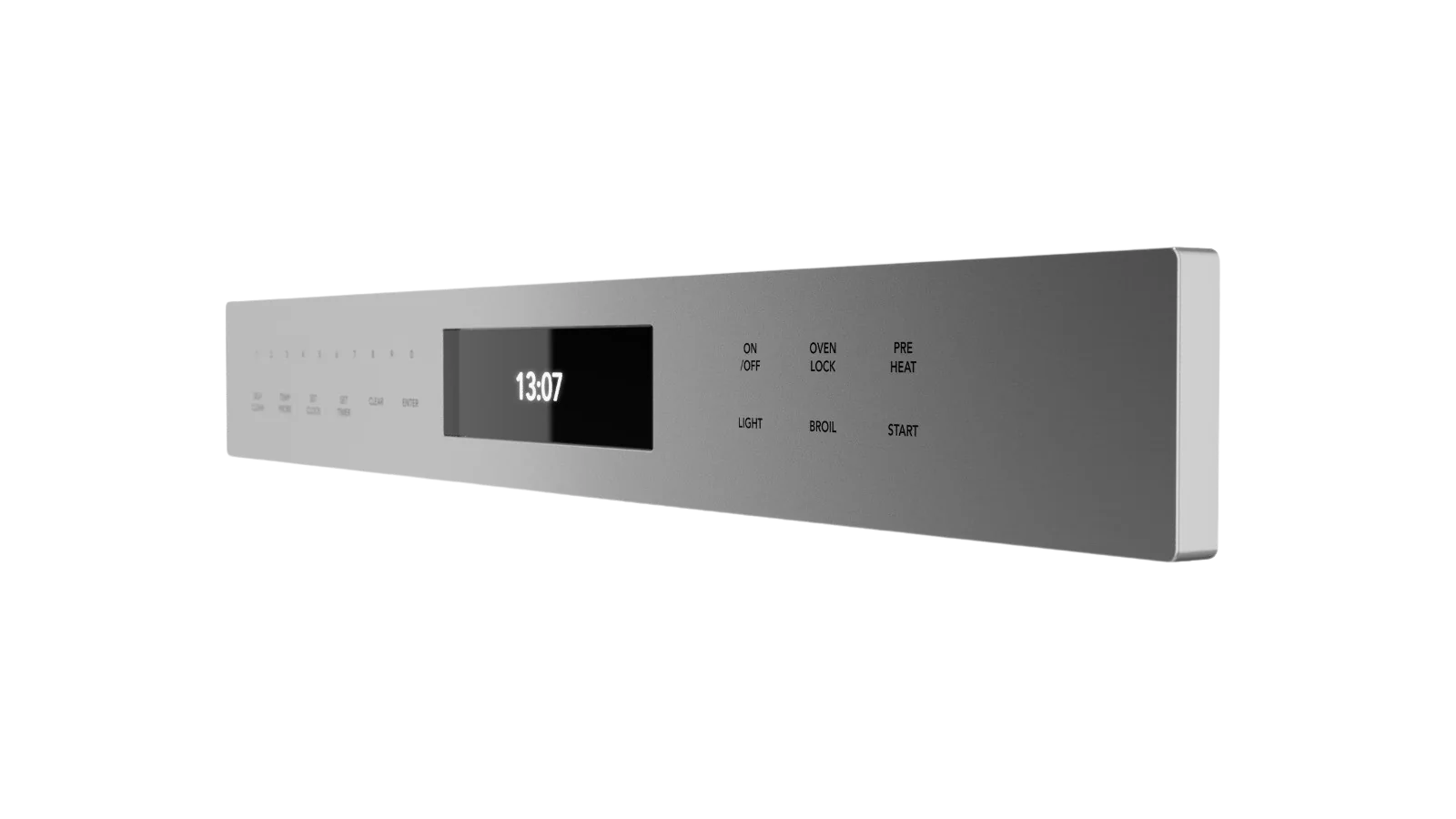
IP69KPT Plus standard10mm pitch50M+ cycles<10 µAScratch-resistant graphics
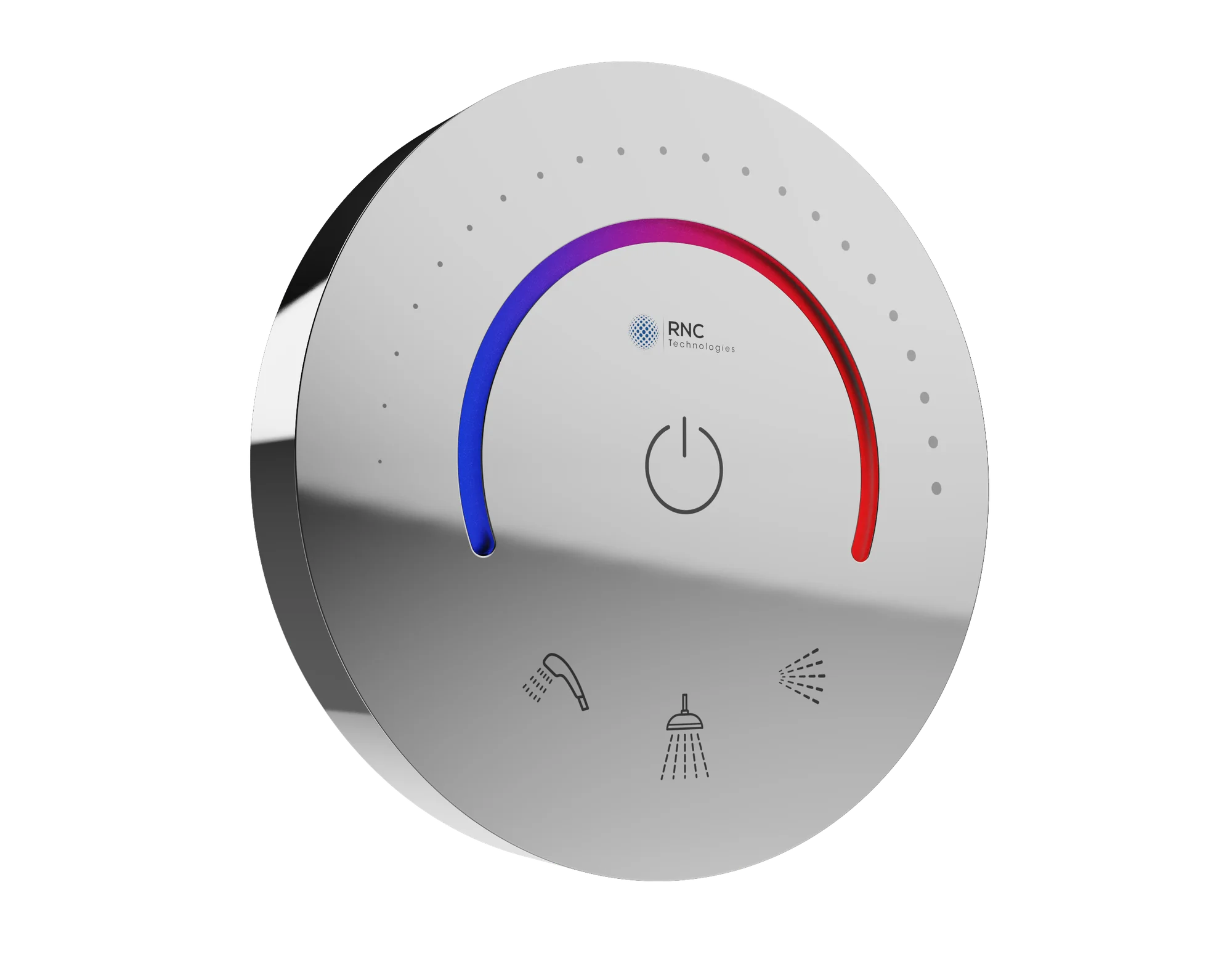
RNC PP Series Panel
Why solid-state

Built to survive what conventional panels cannot.

Membrane overlays delaminate. Capacitive panels ghost-trigger when wet or cold. Mechanical buttons wear, stick, and break seals. A solid-state piezo panel has no moving parts, no adhesive layers, and no capacitive layer that moisture can confuse. The surface itself is the interface.

Works in stainless steel, glass, polycarbonate, acrylic, wood, and solid surface. The panel material follows your product design, not the other way around.

IP69K
No seal to fail. No membrane to breach.
Solid surface. Sealed solid. Works submerged, in steam, and through chemical washdown. Nothing to delaminate, nothing to corrode, nothing to replace.
50M+
Actuations per key. No wear curve.
No contact degradation. No spring fatigue. No seal compression over time. The panel in year ten performs identically to day one. Warranty claims on the interface go to zero.
−40 °C
To +85°C. Same sensitivity throughout.
Reliable operation across the full temperature range. Real-time calibration keeps touch sensitivity stable whether the panel is frozen at −40°C or running at +85°C. No drift, no false triggers, no missed inputs.
<10 µA
Standby. Total panel. Any key count.
Not per-key. The entire panel in standby, regardless of key count or communication protocol. For battery and solar-powered products, the interface is effectively invisible in the power budget.
Compact key layouts
10mm minimum pitch with zero cross-talk. More keys per square centimeter than other piezo panels. Smaller panel, same functionality.
One cable
PT Plus consolidates keys, LEDs, comms, and diagnostics onto a single data line. A 12-key illuminated panel replaces a 16-wire harness.
One unit
Buttons, indicators, and graphics in a single sealed assembly. No individual switch hardware, no separate bezels, no gaskets per key.
Any material
Stainless steel, glass, polycarbonate, acrylic, wood, solid surface. The panel material follows your product design, not the other way around.
Scratch-proof graphics
A special screen print process using ink applied within the anodized aluminium layer at 17–19 micron depth. Protected by a UV coating to minimise fading from sunlight. Cannot be scratched or worn away.
Why RNC

What makes RNC panels different.

Beyond the solid-state advantages, RNC brings specific engineering depth to panel design that most piezo suppliers do not offer.

PT Plus intelligence as standard.
Every panel ships with onboard signal processing. Adjustable sensitivity from 0.25N, programmable functions, digital communication, self-diagnostics, and activation through up to 3mm of material. This is not an upgrade option. It is the baseline.
We understand your system.
A panel does not exist in isolation. It connects to your control board, your power supply, your housing, and your user. RNC engineers work with your system architecture to ensure the panel integrates cleanly: electrically, mechanically, and functionally. Communication protocols include UART, SPI, I2C, RS485, and CANbus.
More cost-effective than you think.
Piezo panels have a reputation for being expensive. RNC's approach challenges that assumption. We optimize at the system level: consolidating functions, reducing component count, eliminating duplicate wiring. The panel cost may be higher than a membrane overlay. The total system cost, including assembly, wiring, maintenance, and warranty, is often lower.
How we work

From concept to production.

We move fast. Most custom panels go from first conversation to production-ready samples in 12 weeks or less. You stay in control at every stage.

1
Week 1–2
Requirements review
We start with your application. Mechanical constraints, electrical requirements, communication interface, environmental conditions, target cost. Send a drawing, a sketch, or a description. We come back with a feasibility assessment, design direction, and cost indication.
2
Week 3–8
Design and engineering
RNC designs the panel: key layout, material selection, graphics, electronics integration, harness configuration. You review, we iterate. Design and tooling run in parallel where possible to compress the timeline.
3
Week 9–12
Samples and validation
Production-grade samples for your testing and integration. Not prototypes. Samples built on the same tooling and process as production units. You validate fit, function, and integration in your product.
4
4–6 week lead times
Production
Once samples are approved, production runs on 4–6 week lead times. Consistent quality from the same process and tooling used for samples. Scalable from low volume to high volume.

Timelines vary by complexity. Simple panels can be faster. Multi-function panels with custom electronics may take longer. We will give you a clear timeline in the first conversation.

Technical overview
Panel specifications.
Performance
Activation force0.25N and above, adjustable via PT Plus
Key pitchFrom 10mm center-to-center
Cross-talkFully eliminated at 10mm pitch
Operating cycles>50,000,000 per key
Standby power<10 µA (total panel, any key count)
Environmental
IP ratingIP67 / IP68 / IP69K
Operating temperature−40 °C to +85 °C
Materials & Finish
Panel materialsStainless steel (303/304/316L), aluminium, glass, polycarbonate, acrylic, wood, solid surface, custom
GraphicsAnodized screen print (ink within anodized layer, 17–19 micron depth, UV-coated), laser engraving
IlluminationPer-key LED, backlit legends, RGB, custom lighting layouts
Connectivity & Intelligence
CommunicationUART, SPI, I2C, RS485, CANbus
IntelligencePT Plus standard on all panels
MountingPanel mount, surface mount, housing integration, custom
ConnectorsM12, Molex, JST, custom harness
Get started
Have a panel application?

Tell us about your product. We will come back with a design direction, feasibility assessment, and cost indication. Most conversations turn into samples within 12 weeks.

Discuss your panel
PT Plus demo
Want to experience piezo?

Request a PT Plus demonstration panel to feel the sensitivity, see the LED illumination, and test the communication interface.

Request demo panel